Connections Animal: 8 Proven Ways to Spot Beasts
Connections animal groups reward the player who watches the wild between the words. Four board entries that look plain belong together because they share a species, a habitat, a trait, or a sound. This guide teaches you eight proven ways to spot the beast thread, test it safely, and solve it before your mistakes run out.
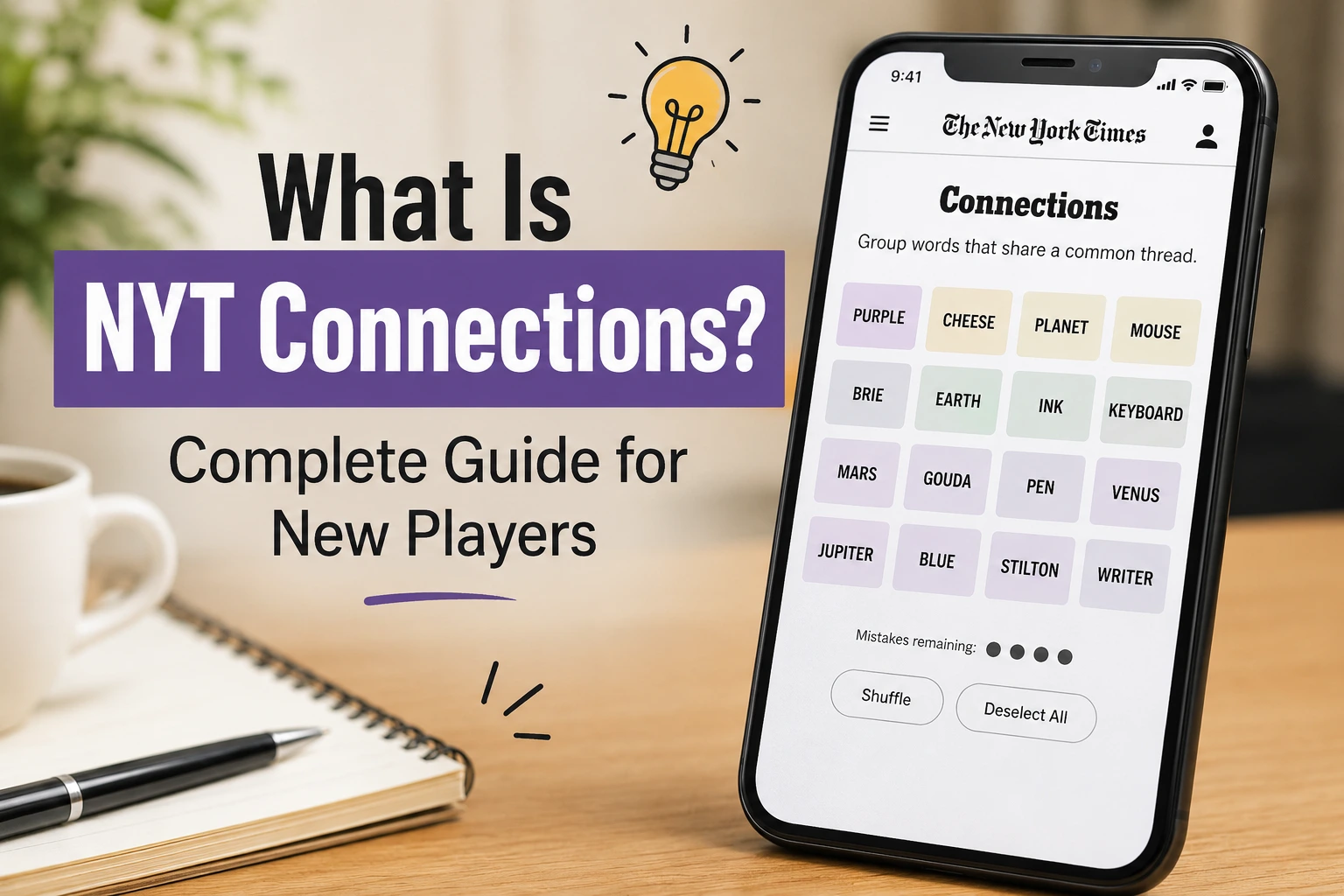
Why Connections Animal Matters
The connections animal style turns the board into a safari. One group hides behind beasts you have loved for years, pets you once kept, or creatures you once studied. Connections strategy pillar notes that players with wide nature habits spot these threads fastest, because animal words cluster together. Start building that habit today.
Tip One: Name the Beast Each Word Suggests
Look at each board word and picture the animal it hides. A word that looks plain might be a species, a body part, or a behavior. Take ten seconds per word to name the first beast it suggests. This habit makes the connections animal thread visible, because animal words wear their fur like badges.
Tip Two: Sort the Board by Habitat
Group the board into habitats as you scan. One cluster for the savanna, another for the ocean, a third for the forest floor. When four words fall into the same habitat, the connections animal thread may be tying them together. This sorting saves time, because it stops you from mixing a whale with a wolf.
Tip Three: Watch for the Pack Foursome
Many animal groups are four members of one pack or one family. Four big cats, four sea creatures, or four birds of prey. If you can name the family and all four belong, you have a solve. The Connections red herrings guide warns that packs share words with other groups, so confirm the fit before you commit.
Tip Four: Listen for the Creature Words
Creature words hide in plain sight. A word that looks ordinary might be a bird, a fish, or an insect. Say the word out loud and think of the first wild it suggests. If three more words answer the same wild, the connections animal thread is stirring. Trust your eyes, then verify the words.
Tip Five: Count the Legs in the Group
A strong group has exactly four words that share one trait. If five words stalk the same beast, you have a near category, not a solve. Count the legs before you submit. The Connections purple group guide reminds you that animal threads often sit in the hard slot, where near categories multiply.
Tip Six: Use the Swap Method
Before submitting any animal group, swap each member with a leftover word and retest the thread. A true group survives the swap, a shaky one collapses. The Connections trick categories guide builds this test into the expert routine, because animal groups tempt fast submits. Slow down and swap.
Tip Seven: Use the One Away Signal
When an animal guess returns one away, you have three correct members and one impostor. Look for the word with the weakest wild link, then search the leftovers for the strongest one. The Connections one away hint guide turns this near miss into a certain solve, because animal groups reveal their impostor fast.
Tip Eight: Log Every Beast You Miss
After each puzzle, write the missed animal group down with its species. The habitat, the trait, the sound. This log becomes a personal field guide that sharpens your connections animal eye. Players who log beasts spot the next one faster, because their memory now holds the thread ready.
Frequently Asked Questions About Connections Animal
Do you need to love every species. No. Keep your watching broad, because puzzles favor famous animals and traits over obscure ones. Do names help. Often, because names carry the beast plainly. Does age matter. A little. Groups can span the wild, so know the classics of your own backyard. Do you ever skip an animal group. Yes, when the beast escapes you. Solve the other three groups first and let the leftovers confirm it.
Win Like a Pro
Pros solve the connections animal style by naming the beast each word suggests, sorting the board by habitat, and swapping before they submit. They count the legs, respect the purple slot, and log every miss. Pair those habits with the Connections strategy pillar routine, and the animal groups become your steadiest green and yellow solves.
Extra Connections Animal Habits
Keep a running list of species, habitats, and traits you notice during puzzles. These repeat in the culture, and puzzles pull from the same well. The Connections game tips warm up pairs well with this list, because it primes your eye for beasts before the daily puzzle.
More Connections Animal Study Ideas
Replay old puzzles and circle the animal groups, then write the species beside each one. After a week you will see patterns in the beasts the puzzles love. Build flashcards from your misses and review them on quiet days. Watch one nature clip a week about a habitat you know least, because unfamiliar wild hides your future groups.
Bonus Connections Animal Drills
Drill one, the beast sweep. Open the official Connections page and name the first animal each board word suggests before grouping anything. Drill two, the habitat sort. Sort the board by habitat before you guess. Drill three, the pack hunt. Find one word with a strong species link and hunt its three partners. These drills turn the connections animal thread into your fastest read.
Connections Animal Practice Plan
Day one, name the beast each word suggests on three puzzles. Day two, sort boards by habitat before guessing. Day three, log every animal group you miss with its species. Day four, swap test every animal group before submitting. Day five, build your own animal group and trade it with a friend. Day six, replay an old puzzle and circle the animal thread. Day seven, play clean with zero animal mistakes.
Connections Animal Warm Up
Before each puzzle, name the last animal group you solved. What was the species. What gave it away. Then scan the new board for the same kind of thread. This warm up tunes your mind to the connections animal rhythm before the first guess, so the first glance already feels like a trail.
Connections Animal Quick Reference
Name the beast each word suggests. Sort the board by habitat. Hunt the pack foursome. Listen for creature words. Count the legs, reject five word near groups. Swap test every group. Use the one away signal. Log every beast you miss.
Connections Animal Pack Drills
Packs hide groups everywhere, so train your species memory. Run this connections animal circuit three times a week. Round one, read the board and name the beast each word suggests. Round two, pair words that answer the same pack and test them as a group. Round three, solve one puzzle refusing every group that is not animal, just to feel the difference. Your species memory becomes a scanner.
Connections Animal Habitat Drills
Habitats hide groups too, so train your terrain memory. Pick one habitat you know well and list its animals, plants, and sounds. Then look for those shapes on the next puzzle you play. This drill turns the connections animal thread on the habitat side into your most reliable solves, because you read the land like a map.
Connections Animal Reflection Ritual
After each puzzle, ask three questions. Did an animal group appear. What species linked it. What gave it away. Write the answers in your log. Over weeks the connections animal groups change from guesses into knowledge, and your solve rate climbs with them.
Connections Animal Mastery Checklist
Use this checklist to confirm your animal skills are ready. One, you name the beast each word suggests. Two, you sort the board by habitat. Three, you hunt the pack foursome. Four, you listen for creature words. Five, you swap test before submitting. Six, you keep one mistake in reserve. With all six checked, the connections animal groups become your favorite solves of the day.